
Directing Water Away From Usable Outdoor Areas
Yard Drainage Solutions in Ringgold for properties experiencing standing water, erosion, or saturated lawns after rainfall
Sloped properties with clay-heavy soils don't absorb rainfall quickly, leaving water pooled in low areas, running across hardscapes, or saturating turf until it becomes unusable mud. River City Irrigation, LLC installs drainage solutions that address standing water, runoff, erosion, downspout discharge problems, and other water management issues common to yards in the Greater Chattanooga Area. The work redirects unwanted water, protects outdoor areas from prolonged saturation, and prevents soil loss on slopes.
Drainage approaches vary based on problem type and property layout—surface drains collect water from low spots, French drains intercept subsurface flow before it reaches problem areas, and grading adjustments redirect runoff toward appropriate discharge points. Downspout extensions move roof water away from foundations and planting beds, and channel drains capture sheet flow before it crosses patios or enters garages. All systems require proper slope to maintain flow without sediment buildup and outlet locations that won't create new problems downstream.
Request a drainage evaluation to determine where water collects, how it moves across your property, and which solutions fit your landscape.
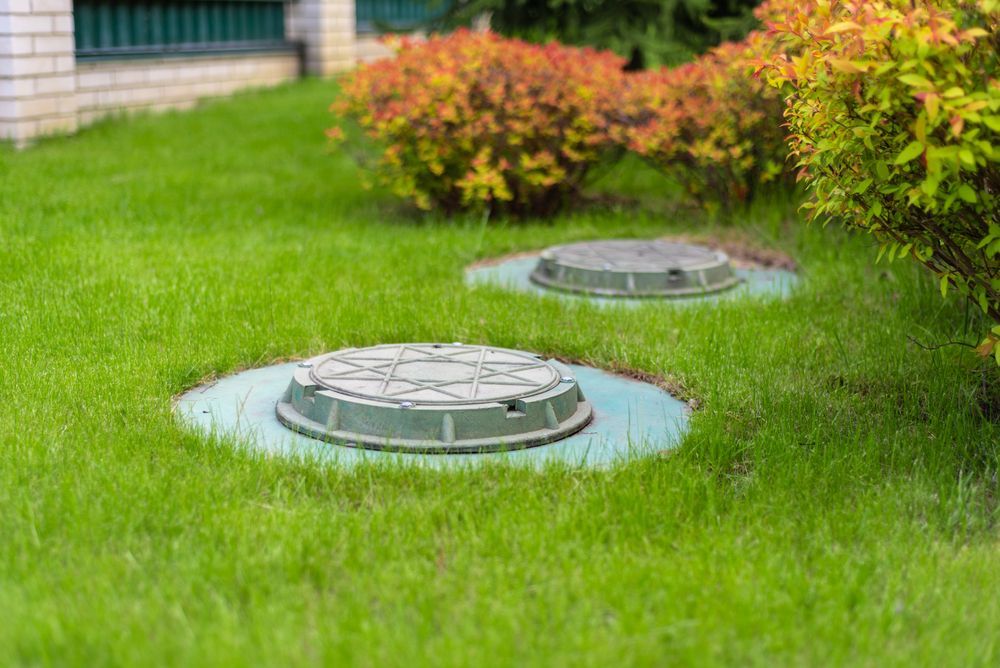
Why Clay Soils and Slopes Create Persistent Water Problems
Drainage failures in North Georgia trace to clay soil that sheds water rather than absorbing it, slopes that concentrate flow into low areas, and inadequate outlets for the volume of runoff properties receive during heavy rain. Water follows the path of least resistance—across driveways, along foundations, into planting beds—and stops moving once it reaches flat ground or dense soil that won't accept more moisture. Without intervention, these patterns repeat with every rain event, gradually worsening erosion and expanding saturated zones.
After drainage installation, you'll notice low areas that previously held water for days now drain within hours, turf that stays firm enough to walk on after storms, and no visible runoff cutting channels through mulch beds or washing soil onto hardscapes. Outdoor spaces become usable sooner following rainfall, and planting beds no longer show signs of root rot or standing water stress.
The installation includes excavation to proper depth for drain lines, gravel bedding sized to prevent clogging while allowing water entry, and fabric wrapping that keeps soil particles out of the system while maintaining flow capacity. Surface drains are set flush with grade to avoid mower damage, and discharge points are located where released water won't pond, erode, or affect neighboring properties. Systems are designed to handle typical storm volumes without overwhelming outlet capacity or creating backflow during peak rainfall.
Questions Before Starting Your Project
Drainage solutions depend on understanding how water moves through each property, and questions typically focus on which approach works for specific problems and what results to expect.
What's the difference between surface drains and French drains?
Surface drains collect water pooled on top of the ground through grated inlets, while French drains intercept subsurface water moving through soil before it emerges, so the choice depends on whether the problem is visible pooling or saturated ground that stays wet below the surface.
How does drainage work on sloped properties in Ringgold?
Slopes naturally move water downhill, so drains are positioned to intercept flow before it reaches problem areas, then redirect it toward controlled outlets, preventing the accumulation that occurs when runoff hits flat ground or dense clay that blocks further downward movement.
When should downspout extensions be included in drainage work?
Anytime roof water discharges near foundations, planting beds, or areas prone to saturation, extensions move that concentrated flow to appropriate outlets, reducing the volume of water that contributes to yard flooding and preventing foundation moisture intrusion.
Why do some yards stay wet even without visible standing water?
Subsurface saturation occurs when the water table rises or clay layers trap moisture below the surface, keeping soil wet and turf soft even after surface water drains, which requires French drains or curtain drains to lower the moisture level by intercepting and removing groundwater.
What does a drainage evaluation include?
The evaluation maps where water collects and flows during rain, identifies slope direction and soil permeability, checks existing discharge points and their capacity, and provides a written plan showing recommended drain types, placement, and outlet locations needed to resolve the specific water problems your property experiences.
River City Irrigation, LLC designs drainage systems that address the underlying causes of water accumulation, not just the visible symptoms, with solutions matched to soil conditions and property topography. Schedule a drainage evaluation with River City Irrigation, LLC to identify how water moves across your property and where intervention will provide the most benefit.