Systems That Start Each Season Without Failures
Irrigation Maintenance & Backflow Certification in Ringgold for preventing mid-season breakdowns and meeting compliance requirements
Seasonal maintenance prevents irrigation failures by identifying worn valve components before they tear, locating slow leaks that waste water without creating visible wet spots, and adjusting coverage before uneven watering causes turf damage. River City Irrigation, LLC performs inspections and maintenance throughout Ringgold that include zone testing, leak checks, controller verification, and backflow prevention device testing to meet local certification requirements. The system operates reliably when watering season begins, and compliance documentation remains current without gaps that trigger service interruptions.
Maintenance visits involve running each zone while inspecting for head damage, checking spray patterns for drift caused by clogged nozzles or incorrect arc settings, testing valve operation for delayed closure or incomplete opening, and measuring pressure at multiple points to detect line restrictions. Backflow testing confirms prevention devices maintain proper pressure differentials and check valves seal completely, with results documented and submitted where municipal codes require annual certification.
Schedule maintenance or backflow service to prepare your system before peak watering demand begins.
What Seasonal Inspections Prevent Long-Term
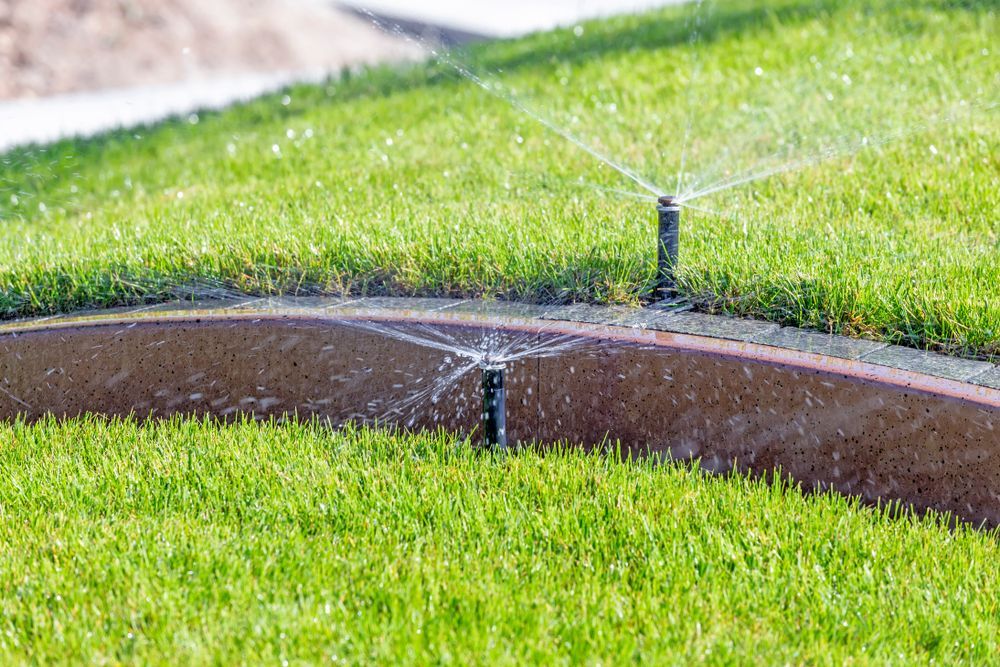
Regular inspections catch valve diaphragms that show early wear before they fail completely and flood a zone, identify heads tilted by soil settling before spray patterns leave gaps in coverage, and locate supply line joints that seep slowly without surfacing enough to create visible lawn damage. Backflow certification ensures cross-connection protection remains functional, preventing contaminated water from entering potable supply lines if pressure loss occurs during system operation.
After maintenance completes, the system activates all zones without hesitation when the controller signals each valve, heads spray in consistent arcs without misting caused by debris or pressure irregularities, and no water continues to run after scheduled cycles finish. Backflow devices pass inspection without requiring component replacement, and documentation is filed with local authorities before deadlines that could otherwise result in service disconnection.
Maintenance includes adjustments to restore proper spray patterns and minor repairs like tightening loose fittings or clearing clogged nozzles, but does not cover replacement of failed components discovered during inspection, which are quoted separately. Winterization services are available in areas where extended freezing temperatures require draining lines to prevent ice expansion damage.
Answers to Frequent Service Questions
Maintenance and backflow testing raise questions about timing, what inspections involve, and how certification requirements affect system operation.
When should irrigation maintenance be scheduled each year?
Maintenance is most effective in early spring before watering demand peaks, allowing time to address any issues discovered during inspection before drought conditions stress turf. A second inspection in late summer catches problems that developed during heavy use and prepares the system for reduced fall watering.
What does backflow certification testing involve?
Testing measures pressure on both sides of the backflow prevention device to confirm check valves prevent reverse flow, verifies relief valves open at correct pressure thresholds, and documents serial numbers and test results for submission to local water authorities. Devices that fail testing require component replacement before certification is issued.
How are slow leaks detected during maintenance visits?
Slow leaks often appear as pressure drops between the main supply and individual zones, unusually wet soil around buried valve boxes, or reduced spray distance at heads farthest from the valve. Isolating each zone and monitoring pressure over several minutes reveals leaks too small to surface immediately.
Why do spray patterns drift after a season of operation?
Nozzles accumulate mineral deposits or debris that alter spray angles, heads settle into soil and tilt away from original positions, and pressure changes from line restriction or valve wear affect spray radius. Cleaning nozzles, releveling heads, and verifying pressure restore intended coverage patterns.
What happens if backflow certification expires in Ringgold?
Local water authorities may require recertification before allowing continued irrigation system operation, and some municipalities issue warnings before disconnecting service to properties with lapsed compliance. Scheduling certification before expiration dates prevents interruptions to system availability during watering season.
River City Irrigation, LLC combines system performance inspections with required backflow testing during the same visit, addressing both operational reliability and compliance documentation efficiently. Schedule a seasonal inspection to identify developing issues before they interrupt watering schedules or require emergency repairs.