Protecting Water Supply From Contamination
Backflow Services in Chattanooga for properties with irrigation systems and cross-connection points
Backflow prevention devices stop contaminated water from reversing direction and entering the potable water supply, a critical safety measure for any property with an irrigation system or auxiliary water connection. River City Irrigation, LLC provides backflow services in Chattanooga for residential and commercial properties where cross-connections create potential contamination risks. These devices require annual testing and certification to comply with local water utility requirements, and failures during testing often indicate worn internal components that need immediate replacement to maintain protection.
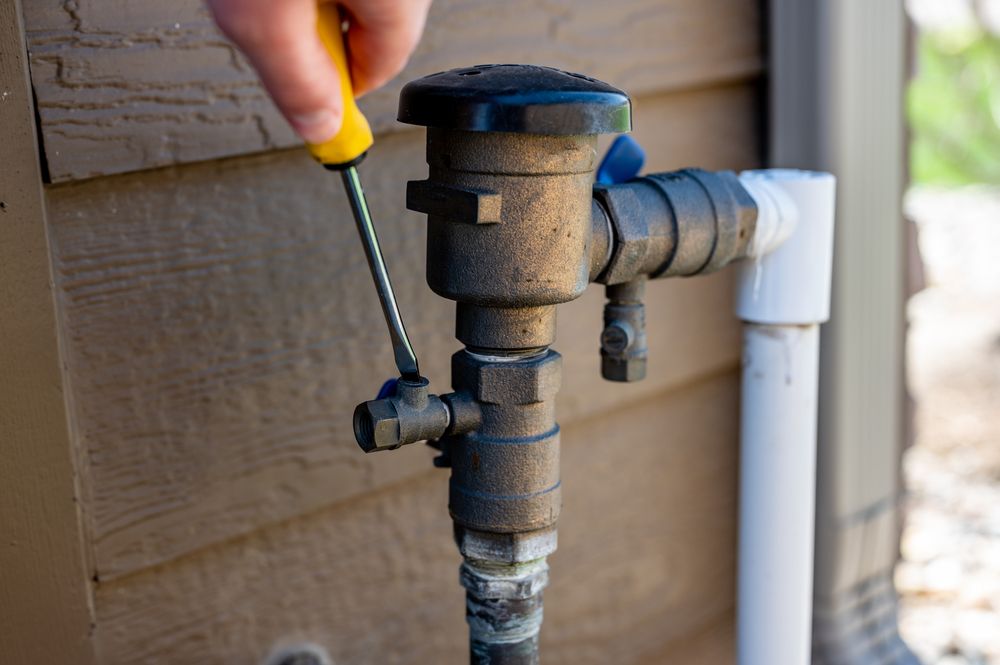
The service includes testing the backflow preventer's check valves and relief valve to verify they close completely and open at the correct pressure differential, ensuring contaminated irrigation water cannot flow backward into drinking water lines. Testing involves isolating the device, attaching calibrated test equipment to the valve ports, and recording pressure readings that confirm proper function according to manufacturer specifications and Tennessee regulatory standards.
Schedule annual backflow testing before the irrigation season begins to address repairs while demand for service remains manageable.
What Backflow Testing Actually Accomplishes
Testing verifies that the internal check valves seal tightly when water pressure drops or reverses, preventing any backward flow from the irrigation system into the main water supply. Certified testers use differential pressure gauges to measure how each valve responds under controlled conditions, identifying worn seals, spring failures, or debris that compromise the device's ability to protect water quality.
After testing and any necessary repairs, you receive documentation showing the device passed all required checks, which water utilities require as proof of compliance. Properties with failed tests cannot operate irrigation systems until repairs restore proper backflow prevention function, as cross-connections without working protection devices violate municipal water codes and create genuine public health risks.
Backflow preventers installed in areas with high mineral content in the water often require component replacement sooner than devices in low-mineral conditions, as calcium and sediment buildup interfere with valve sealing surfaces. The service also includes inspecting the device installation for proper clearances and drainage, since devices installed too low or without adequate air gaps complicate maintenance and increase contamination risk during testing.
Questions Property Owners Ask About Backflow Testing
Irrigation systems in Chattanooga typically use one of three backflow preventer types depending on the hazard level and installation location, and each requires slightly different testing procedures.
Why does my irrigation system need backflow testing?
Chattanooga water utilities require annual testing because irrigation systems introduce fertilizers, pesticides, and soil contaminants into water lines, and without functioning backflow prevention, these substances can contaminate drinking water when pressure drops occur during main breaks or high-demand periods.
What happens if the device fails testing?
The tester tags the device as failed and you cannot operate the irrigation system until repairs are completed and a passing test is documented, which usually involves replacing worn check valve components, springs, or the entire device if the body has cracked or corroded beyond repair.
How long does backflow testing take?
Most residential tests require fifteen to thirty minutes once the tester accesses the device, attaches test equipment, and runs through the valve sequence, though repairs extend the timeline depending on parts availability and device accessibility.
When should I schedule testing?
Schedule before the irrigation season begins in early spring, as testing during peak summer demand often results in longer wait times and delayed repairs that leave systems offline during critical watering periods.
What causes backflow preventers to fail?
Internal rubber components deteriorate from constant water pressure and temperature cycling, mineral deposits build up on valve seats preventing tight seals, and freezing temperatures crack device bodies when installers fail to properly winterize systems in late fall.
River City Irrigation, LLC handles backflow testing, certification, and repairs for properties throughout Chattanooga where irrigation systems require documented compliance with water utility regulations. Arrange testing well before the growing season to avoid service delays during peak demand months.