Adjusting Watering Without Reprogramming Each Change
Smart Irrigation Controllers & Water Conservation in Ringgold for properties with outdated timers and excessive watering during rain
Traditional irrigation controllers run fixed schedules regardless of recent rainfall, overnight temperatures, or shifting seasonal demand, which means the system waters after storms saturate the soil or continues daily cycles during cooler weeks when evaporation drops and plants need less. River City Irrigation, LLC installs WiFi-enabled smart controllers in Ringgold that adjust watering schedules based on local weather data, allow remote zone management through mobile apps, and reduce unnecessary watering during periods when soil moisture remains adequate. You stop manually overriding scheduled runs after rain, and the system adapts watering duration as seasonal temperatures change without requiring controller reprogramming.
Upgrading involves replacing the existing controller with a smart unit that connects to your wireless network, configuring zone settings to reflect plant types and sun exposure for each area, and linking the controller to regional weather stations that provide precipitation forecasts and temperature data. The controller uses this information to skip or shorten watering cycles when conditions don't warrant a full run, maintaining soil moisture without applying water the ground cannot absorb.
Request a smart irrigation consultation to evaluate controller compatibility and review zone configuration options.
How WiFi Controllers Address Changing Conditions
Smart controllers monitor evapotranspiration rates, which combine temperature, humidity, wind, and solar radiation data to calculate how much moisture plants lose daily, then adjust each zone's runtime to replace only what evaporated rather than following a fixed schedule. Zone management through mobile apps allows adjustments from any location when travel delays your return or unexpected weather requires immediate schedule changes, eliminating the need to access the controller panel directly.
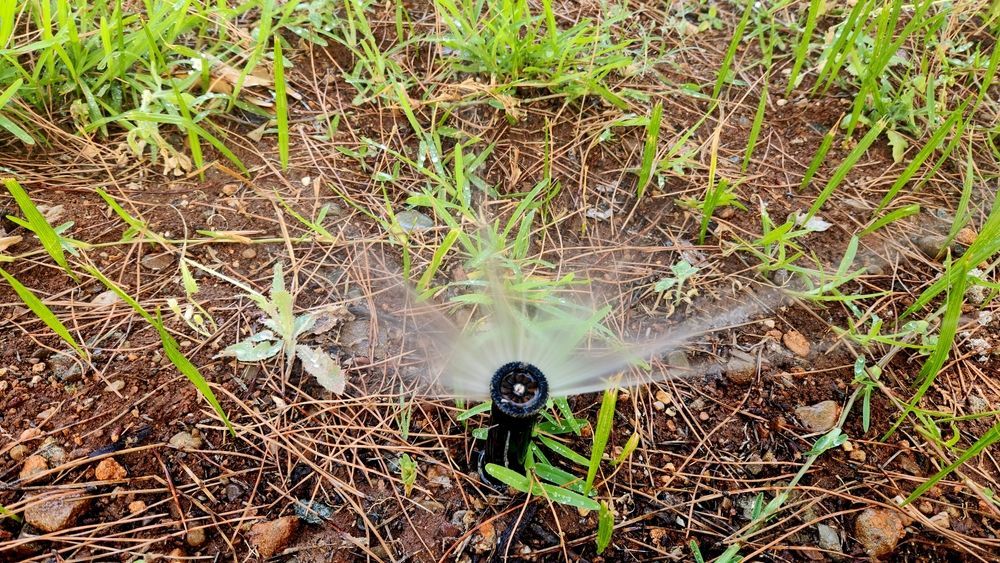
After installation, the system skips scheduled cycles following measurable rainfall rather than watering over saturated soil, and zone runtimes shorten automatically during cooler stretches when plants require less water. You receive alerts if a zone runs longer than expected, which often indicates a leak or stuck valve, and historical data shows actual watering patterns compared to what a fixed schedule would have applied.
Water conservation extends beyond weather-based adjustments to include cycle-and-soak programming that breaks watering into shorter intervals on slopes where runoff occurs during long single runs, and seasonal shift settings that reduce all zone times by a percentage as fall temperatures drop without manually editing each zone. The upgrade does not redesign coverage or replace heads, so existing spray patterns and pressure limitations remain unchanged.
Questions Before Starting Your Project
Smart controller installations often raise questions about compatibility with existing systems and what functionality the upgrade provides.
What irrigation systems are compatible with smart controllers?
Most standard residential systems with 24-volt valve wiring can accept smart controller upgrades, regardless of the original controller brand or age. The new controller connects to existing valve wires and operates zones the same way, with added functionality for scheduling and remote access.
How do smart controllers know when to skip watering?
Controllers receive local weather data through WiFi connections to regional monitoring stations, which provide rainfall totals, temperature forecasts, and humidity levels. When recent precipitation exceeds a set threshold or forecasted rain is imminent, the controller delays scheduled cycles until conditions warrant resuming watering.
Why does evapotranspiration-based scheduling conserve more water than rain sensors alone?
Rain sensors only detect precipitation and skip cycles during active rain, but evapotranspiration calculations account for temperature, wind, and sunlight intensity that affect how quickly soil dries. This allows the controller to reduce watering during cool, cloudy periods when evaporation slows, even without rain triggering a sensor.
What zone information is needed during smart controller setup?
Setup requires entering plant type, sun exposure, soil type, and slope for each zone so the controller calculates appropriate watering based on those factors. More detailed inputs produce more accurate scheduling adjustments, but basic configurations still improve efficiency over fixed timers.
When should zone schedules be reviewed after installation?
Initial settings provide baseline watering, but observation over several weeks reveals whether any zones need longer runtimes to reach target moisture levels or shorter cycles to prevent runoff on slopes. Seasonal reviews adjust baseline percentages as weather patterns shift between spring growth periods and fall dormancy preparation.
River City Irrigation, LLC configures smart controllers with zone-specific settings that reflect actual site conditions rather than default factory programming, so adjustments account for the sun exposure, slope, and plant types your property presents. Request a controller evaluation to review current watering patterns and identify conservation opportunities through upgraded scheduling.