Watering That Covers Every Zone Consistently
Lawn Sprinkler & Irrigation Installation in Ringgold for properties with uneven coverage and daily manual watering
North Georgia terrain introduces slope variations and soil drainage differences that affect how water moves across a lawn, and a sprinkler system designed without accounting for those factors leaves dry patches in some areas while oversaturating others. River City Irrigation, LLC installs custom irrigation systems in Ringgold that address zoning requirements, trenching depth for local soil conditions, and sprinkler head placement based on actual coverage patterns observed across the property. You stop dragging hoses to reach corners the existing setup misses, and the lawn receives the same water volume whether it sits on a slope or flat ground.
The installation process begins with zoning the property into sections based on sun exposure, plant type, and soil absorption rates, then trenching to lay supply lines at depths that avoid freeze damage during occasional cold snaps while maintaining pressure throughout the system. Sprinkler heads are positioned to eliminate overlap waste in compact areas and fill gaps in larger zones, with adjustments made during final testing to confirm every section receives adequate coverage without runoff on sloped areas common to the region.
Request an installation quote to map coverage zones and design a system for your property layout.
What Proper Zoning and Trenching Accomplish
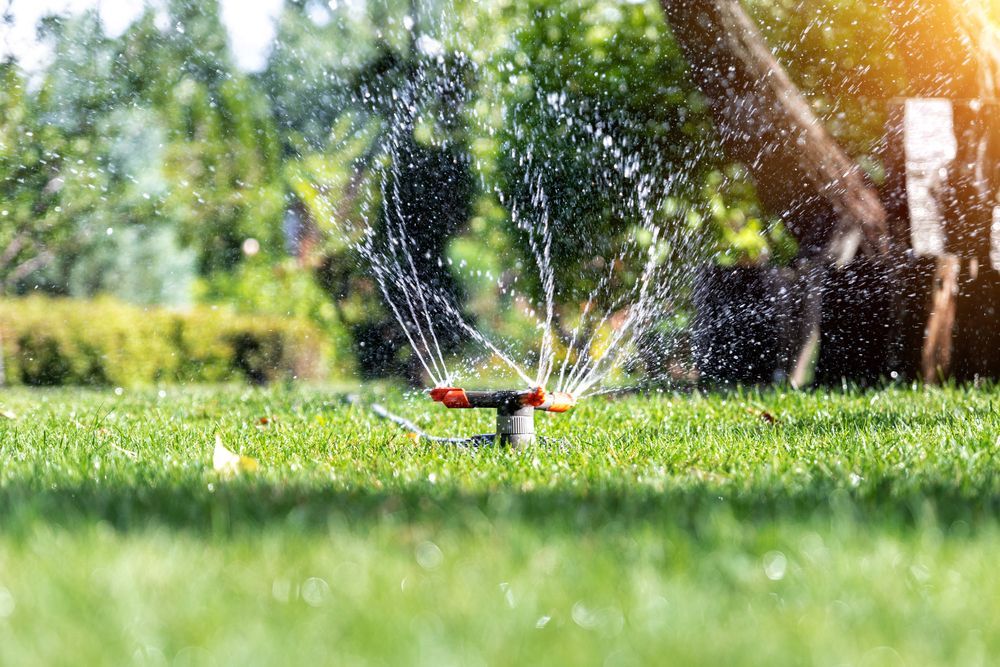
Each zone operates independently based on watering needs, so shaded areas near trees receive different run times than open lawn sections exposed to full sun, and the system delivers pressure evenly across all heads rather than losing force at the farthest point. Trenching depth follows frost line considerations and positions lateral lines to avoid root interference from mature trees while maintaining straight runs that reduce friction loss in longer zones.
After installation completes, you notice uniform green growth across the lawn rather than isolated brown spots that previously required hand watering, and morning watering cycles finish without leaving standing water on slopes or compacted soil areas. The system runs on a timer rather than requiring daily attention, and coverage reaches planting beds along property edges that hoses never adequately soaked.
The installation includes controller programming for initial zone schedules, but seasonal adjustments remain necessary as rainfall patterns shift and plant growth changes water demand. Backflow prevention devices are installed where local codes require separation between irrigation supply and potable water lines, and valve boxes are positioned for accessible maintenance without disrupting landscaping.
What Property Owners Usually Ask
Questions about sprinkler installation often focus on how the system adapts to specific site conditions and what the process involves from design through operation.
How is zoning determined for a new irrigation system?
Zoning divides the property based on plant water needs, sun exposure, soil type, and slope, with each zone receiving independent control so high-demand areas run longer without overwatering sections that need less. Head spacing within each zone is calculated to maintain even pressure and avoid dry strips between coverage arcs.
What depth is required for trenching in North Georgia soil?
Trenches typically run six to eight inches deep for lateral lines and deeper for main supply lines, with adjustments made for clay-heavy soil that drains slowly and rocky areas that require different excavation methods. Depth also considers freeze protection during winter months when temperatures occasionally drop below the frost line.
How long does a full installation take?
Installation duration depends on property size, zone count, and soil conditions encountered during trenching, but most residential systems are completed within one to three days once design is finalized. Larger properties with multiple zones or challenging terrain require additional time for line placement and head adjustments.
What happens if water pressure is uneven across zones?
Pressure regulation valves are added to zones where elevation changes or long pipe runs reduce force at distant heads, and head types are matched to available pressure so spray patterns remain consistent. Testing during installation identifies pressure imbalances before the system is buried and landscaping is restored.
When should the system be adjusted after installation?
Initial programming provides baseline watering schedules, but observation over the first few weeks reveals whether any zones need timing changes or head repositioning to address missed spots or pooling. Seasonal adjustments follow as weather patterns shift and plant growth changes demand across different zones.
River City Irrigation, LLC designs each installation around the specific slope, soil absorption, and coverage gaps observed during the site evaluation, so the system addresses the watering challenges your property presents rather than following a generic layout. Schedule a property assessment to map zones and review placement options for consistent coverage.