Water Systems That Run Without Constant Oversight
Commercial Irrigation & Water Management in Ringgold for properties requiring consistent landscape health without manual intervention
Commercial landscapes fail when irrigation systems deliver too much water in one zone and not enough in another, or when controllers respond incorrectly to weather changes. River City Irrigation, LLC installs, repairs, and maintains irrigation systems and water management solutions for commercial and managed properties in Ringgold. The work addresses inefficient coverage patterns, controller errors, and water waste that drive up costs and create uneven turf health.
The service includes zone-specific installation, controller programming adjusted for property microclimates, repair of broken heads and valves, and seasonal adjustments that account for precipitation and temperature shifts. Clay-heavy soils across the Tri-State Area require different run times and scheduling than sandy or loam-based ground, and controller settings reflect those variations to prevent saturation in low areas while maintaining adequate moisture in raised beds or slopes.
Request a commercial site assessment to identify coverage gaps and controller optimization opportunities.
What Proper Water Management Prevents Long-Term
Commercial irrigation isn't just about turning on sprinklers at set intervals—it requires matching delivery rates to plant types, sun exposure, slope, and soil retention capacity. Systems installed without zone differentiation waste water on hardscapes, oversaturate turf near building foundations, and leave outlying beds dry. Controllers that ignore real-time weather data run cycles during rain events or fail to adjust for seasonal evapotranspiration changes, resulting in avoidable water bills and stressed landscapes.
Once River City Irrigation, LLC completes installation or updates an existing system, you'll notice uniform turf color across all zones, no water running onto sidewalks or parking areas during cycles, and controller schedules that pause automatically when rain is detected. Managed properties see fewer tenant complaints about muddy walkways or brown patches, and maintenance teams spend less time manually watering areas the system should cover.
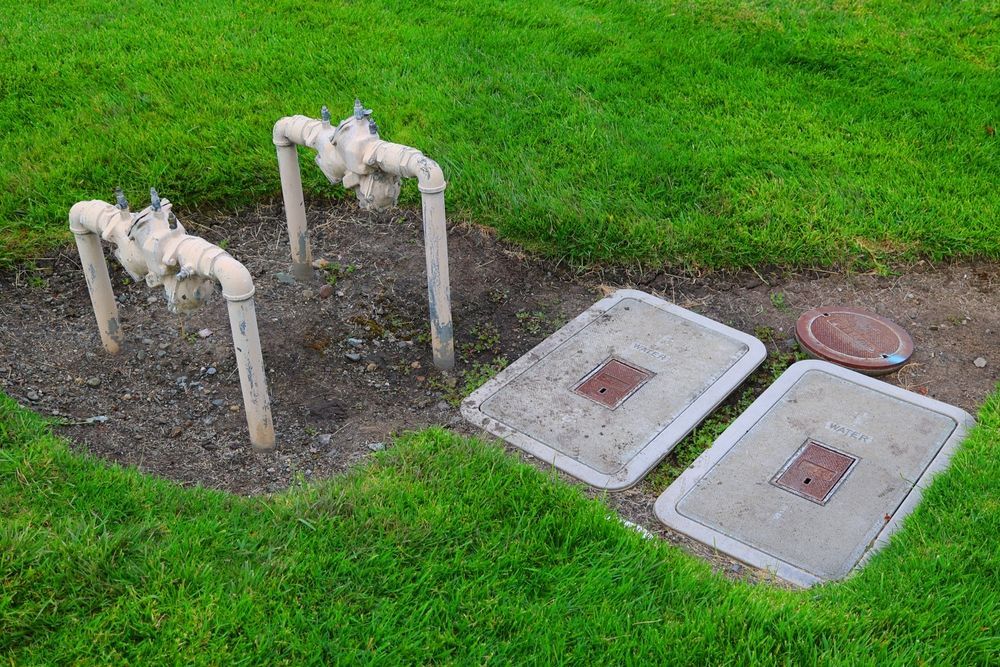
The work also includes valve isolation so individual zones can be serviced without shutting down the entire property, backflow prevention compliance for municipal water connections, and wireless controller access that allows schedule changes without visiting the equipment cabinet. Properties with multiple irrigation systems benefit from centralized monitoring that flags pressure drops, electrical faults, or unusual water usage before minor issues become system-wide failures.
What Property Managers Usually Ask
Commercial irrigation serves different property types, and questions often focus on system reliability, water costs, and how quickly problems get resolved.
How does zone programming reduce water waste?
Controllers are set based on plant water requirements, sun exposure, and soil type for each zone, so high-traffic turf areas receive different run times than shaded ornamental beds, preventing overwatering in low-demand areas and underwatering in high-evaporation zones.
What happens when a commercial system loses pressure in one zone?
The issue usually traces to a stuck valve, broken lateral line, or clogged filter, and diagnostics involve isolating the affected zone, checking valve operation, inspecting lines for leaks, and verifying head performance before restoring full system pressure.
When should commercial properties schedule irrigation maintenance?
Seasonal checks before spring activation and after fall shutdown address winter damage, controller battery replacement, and coverage adjustments, while mid-season inspections catch head misalignment, valve leaks, and sensor malfunctions before they affect landscape appearance.
Why do some zones stay wet while others dry out in Ringgold?
Clay soils common in North Georgia retain water longer than amended planting beds, so zones covering native soil need shorter, less frequent cycles than zones with mulched beds or slopes where runoff occurs before absorption, requiring separate programming for each soil condition.
What's included in a commercial site assessment?
The evaluation maps existing coverage, identifies dry spots or overspray, checks controller programming against current landscape conditions, tests valve response and pressure levels, and provides a written plan for repairs, upgrades, or schedule adjustments needed to restore efficient operation.
River City Irrigation, LLC handles water management for properties where landscape reliability and cost control matter, and assessments provide a clear picture of what's working and what needs adjustment. Schedule a commercial site assessment to address coverage inconsistencies or controller inefficiencies before they affect property appearance.